Plastic Surgeon Explains Why She Turns Down Patients Seeking Nose Jobs (Exclusive)
Plastic Surgeon Explains Why She Turns Down Patients Seeking Nose Jobs (Exclusive)
NEED TO KNOW
- Dr. Lexie Wang, a plastic surgeon in Washington D.C., explains to PEOPLE why she occasionally turns down patients who are looking to get rhinoplasties
- “The two biggest reasons I will refuse a patient are either the patient is not a good candidate physically and/or the patient is not a good candidate mentally,” she says
- Dr. Wang also shuts down misconceptions that plastic surgeons are “here to steal patients’ money by offering unnecessary treatments”
“>▶ عرض المحتوى المضمّن
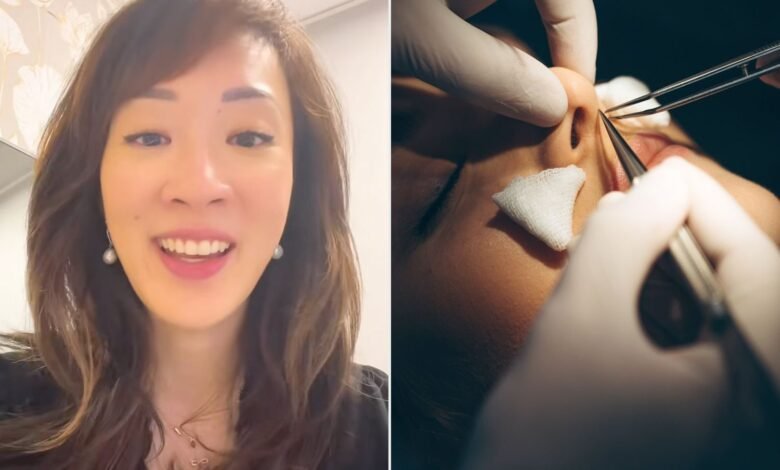
is sharing insight into why getting a nose job might not always be the best option.
After the plastic surgeon, located at West End Plastic Surgery in Washington D.C., made a
“>▶ عرض المحتوى المضمّن
explaining that she turned down a prospective patient who wanted a rhinoplasty because the subtle changes wouldn’t be worth the risk, Dr. Wang explains to PEOPLE why it’s so important to be able to say “no” to her patients.
“There have been increasing doubts from the general public about the integrity of doctors and the healthcare industry,” Dr. Wang says. “Plastic surgery specifically gets targeted because everyone assumes that we’re here to steal patients’ money by offering unnecessary treatments. Sure, there are some bad physicians out there, but there are bad players in every industry.”
“The majority of us are not like that, and I want the public to see that side of us,” she continues. “I also strongly believe in patient self-efficacy, so education is a huge pillar of empowering patients with knowledge of what can and can’t be accomplished in plastic surgery. We are not magicians! I always say there is no such thing as perfect plastic surgery.”
Dr. Wang began training in plastic surgery in 2016 and has been independently practicing since 2022. And while she doesn’t remember the first time she refused a patient, she made it clear that it’s something she finds herself doing often.
Never miss a story — sign up for PEOPLE’s free daily newsletter to stay up-to-date on the best of what PEOPLE has to offer, from celebrity news to compelling human interest stories.
Getty
“The two biggest reasons I will refuse a patient are either the patient is not a good candidate physically (being bothered by something that I can’t fix) and/or the patient is not a good candidate mentally (unrealistic expectations),” Dr. Wang shares.
Dr. Wang adds that these conversations arise most often when patients are considering a nose job over other procedures.
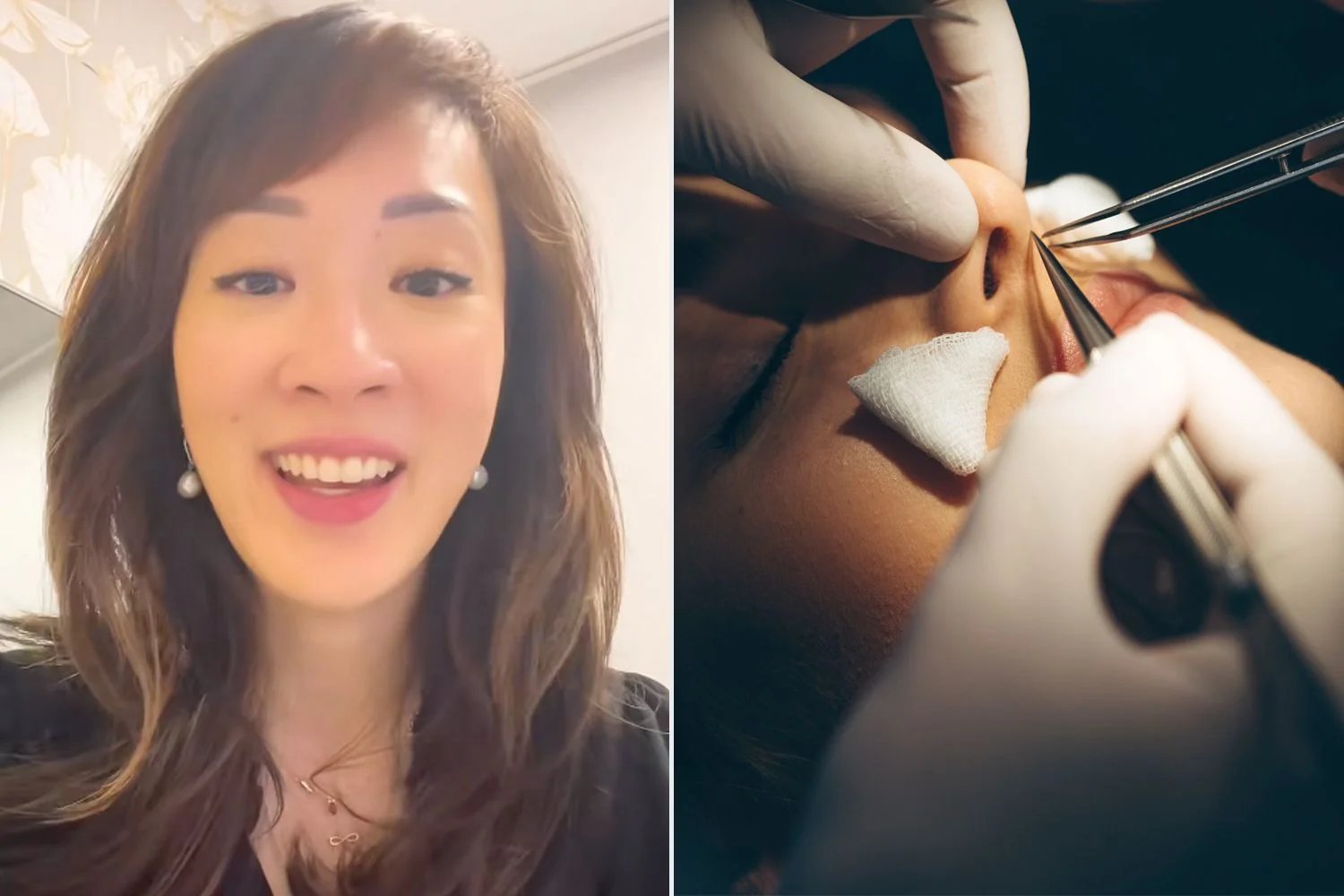
“This is technically one of the most challenging surgeries for any plastic surgeon to perform,” she says. “But if you add on top that it takes a very long time to see a final result (months to years), it’s the center of the patient’s face and thus a core part of one’s identity, AND that it is even challenging to revise, you can see why I want to make sure patients are 100% ready before embarking on a rhinoplasty!”
While Dr. Wang has found that some patients are “understandably disappointed” when she advises them to shy away from the operation, she emphasizes that most seem to appreciate it she tells them no. As she put it, “they find the honesty refreshing, especially in a business built on profit.”
“At the end of the day, it’s our job to be realistic and honest, and this is a very big decision that the patient is making, so I try to convey to them that I really am on their side and have their best interests in mind,” she concludes. “We are always taught that you (surgeon) never regret the patients you say no to. The main thing I have learned is that even though I may say ‘no’ than other surgeons, I still could be better!”
Disclaimer: This news article has been republished exactly as it appeared on its original source, without any modification.
We do not take any responsibility for its content, which remains solely the responsibility of the original publisher.
Author:Desiree Anello, Michelle Lee
Published on:2025-12-19 14:00:00
Source: people.com
Disclaimer: This news article has been republished exactly as it appeared on its original source, without any modification.
We do not take any responsibility for its content, which remains solely the responsibility of the original publisher.
Author: uaetodaynews
Published on: 2025-12-19 10:37:00
Source: uaetodaynews.com